Why skilled technical workers are becoming the new gold standard
During a job interview, you can expect to be asked some typical questions. In this article, you will find six frequently asked questions to help you prepare properly.
Published on: 25-02-2026
As artificial intelligence evolves at lightning speed and administrative roles continue to disappear, one group is becoming more valuable than ever: skilled technical workers.
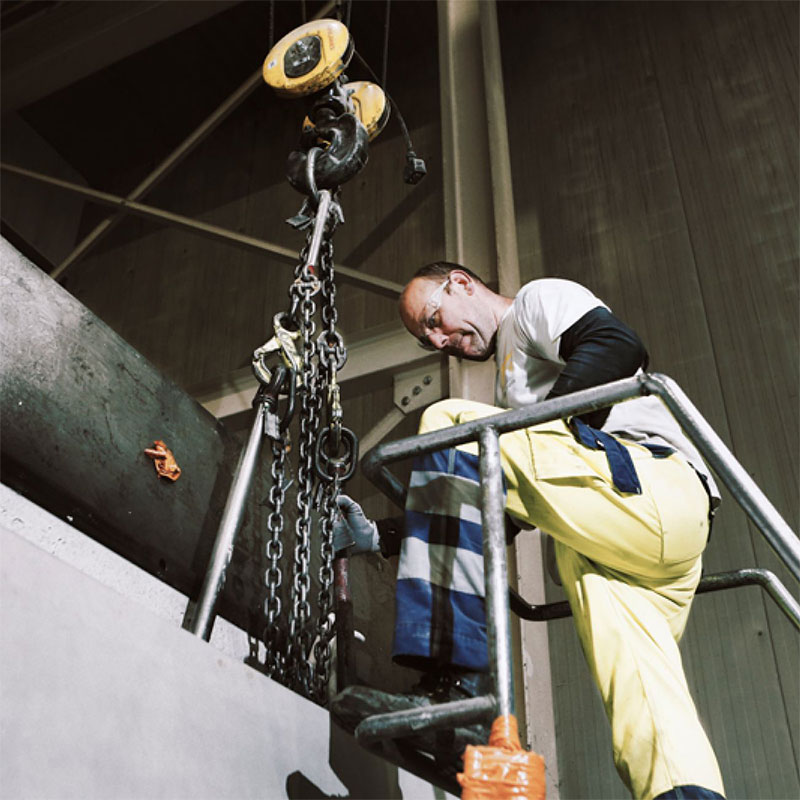
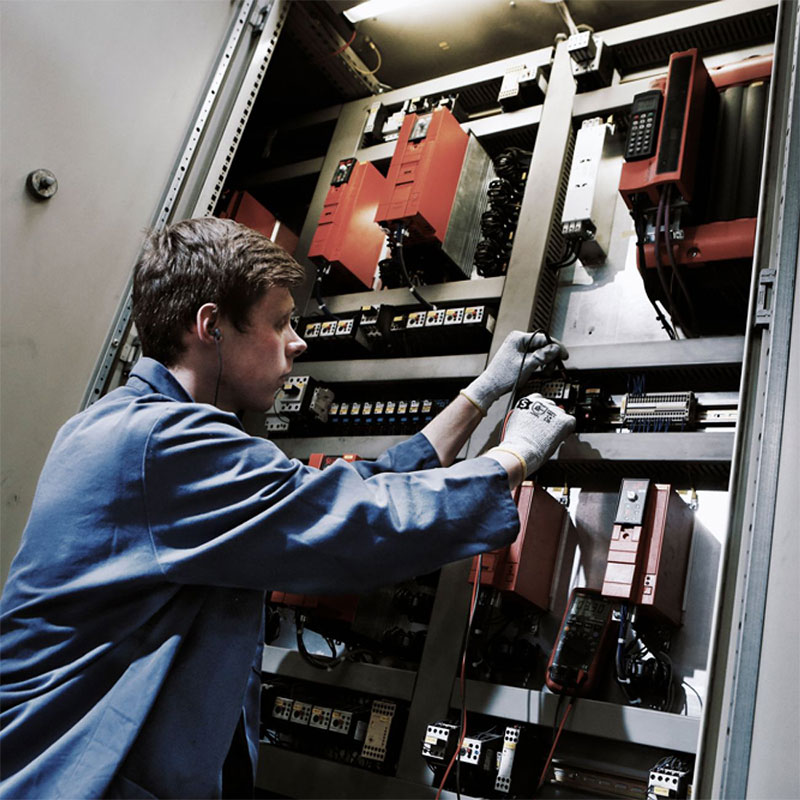
Welders. Electricians. Installers. Maintenance technicians. Industrial mechanics. Construction professionals.
They don’t just support the economy.
They build it.
While many industries face uncertainty, demand for skilled technical workers continues to rise, year after year.
So why is hands-on technical expertise becoming such a powerful career choice?
The reasons are clear. And more urgent than ever.
1. A career that technology can’t replace
Automation is transforming administration, sales, and even HR.
But installing electrical systems?
Maintaining production lines?
Welding stainless steel on-site?
That’s not replaceable by AI.
Technical and construction sectors remain among the few industries where real hands-on expertise is essential.
That translates into strong job security, today and long into the future.
2. A retirement wave is approaching fast
Starting around 2030, an entire generation of experienced technical professionals will leave the workforce.
The loss of knowledge, experience, and capacity will be significant.
At the same time, fewer young people are entering technical fields, while the list of shortage occupations keeps growing.
The result?
A structural talent shortage that won’t solve itself.
3. Wages are rising and rising fast
While some professions face pressure from automation or outsourcing, skilled technical workers are seeing wages increase faster than the average market growth.
Not marginally.
Significantly.
Strong earning potential combined with job stability makes technical careers more attractive than ever.
Young people who choose a technical path today aren’t settling for a backup plan.
They’re choosing opportunity.
4. International labor flows are shifting
For years, foreign workers helped close the skills gap.
Today, wages in Eastern Europe are rising and mobility patterns are changing.
Those who move to Belgium now do so deliberately, with strong motivation, a solid work ethic and the ambition to build a future.
Companies that invest in training and language support are building loyal, long-term teams.
5. It’s time to restore pride in technical careers
For too long, higher education was positioned as the default success path, even when it didn’t match someone’s strengths.
The outcome?
A mismatch in the labor market, while technical sectors were urgently searching for talent.
Technical work is not “just” manual labor.
It creates tangible results.
It delivers visible impact.
It offers stability, purpose, and growth.
That’s exactly why skilled technical workers represent the new gold standard.
6. Companies win when they invest in skilled technical workers
At IMPACT, we see every day the difference between companies that invest in sustainable employment and those that rely on short-term solutions.
Organizations that focus on:
- permanent contracts
- continuous training
- strong guidance
- real growth opportunities
see the impact in attraction, retention, and motivation.
Investing in skilled technical workers isn’t a cost.
It’s a long-term return.
For employees.
And for employers.
Conclusion: The future is technical
The labor market is evolving rapidly.
But one truth remains:
The future will be built, assembled, installed, maintained, and repaired by people who truly know what they’re doing.
Skilled technical work is not a plan B.
It’s a gold-standard career path that increases in value year after year.
Choosing a technical career today isn’t just choosing a job.
It’s choosing a future.